Iraq Considered Leaving OPEC
Iraq official said will consider all options if OPEC not raise oil production quota, also revealed once thought of leaving.
June 24, Iraq Prime Minister Ali al-Zaidi said Iraq wants Organization of Petroleum Exporting Countries (OPEC) raise oil production quota "to match production capacity and population size", state news agency INA reported. Since taking office May, he signaled economic rebuild, foreign investment attraction, anti-corruption will be government priorities.
Advertisement
Stay
Playback speed
1x NormalQuality
AutoBack322p240p144pAutoBack0.25x0.5x1x Normal1.5x2x
/
June 25, Reuters cited senior Iraq Oil Ministry official saying country faces financial crisis from Middle East war. Therefore, request to sharply raise production quota must be seriously considered.
"Saudi Arabia and other OPEC allies must consider this issue with highest seriousness. Otherwise, Iraq forced to consider all options," source said. He revealed Iraq once thought of leaving OPEC, but current plan remains keeping membership and lobbying for quota increase.
Asked if Iraq discussed leaving OPEC, official said: "Too early for that step."
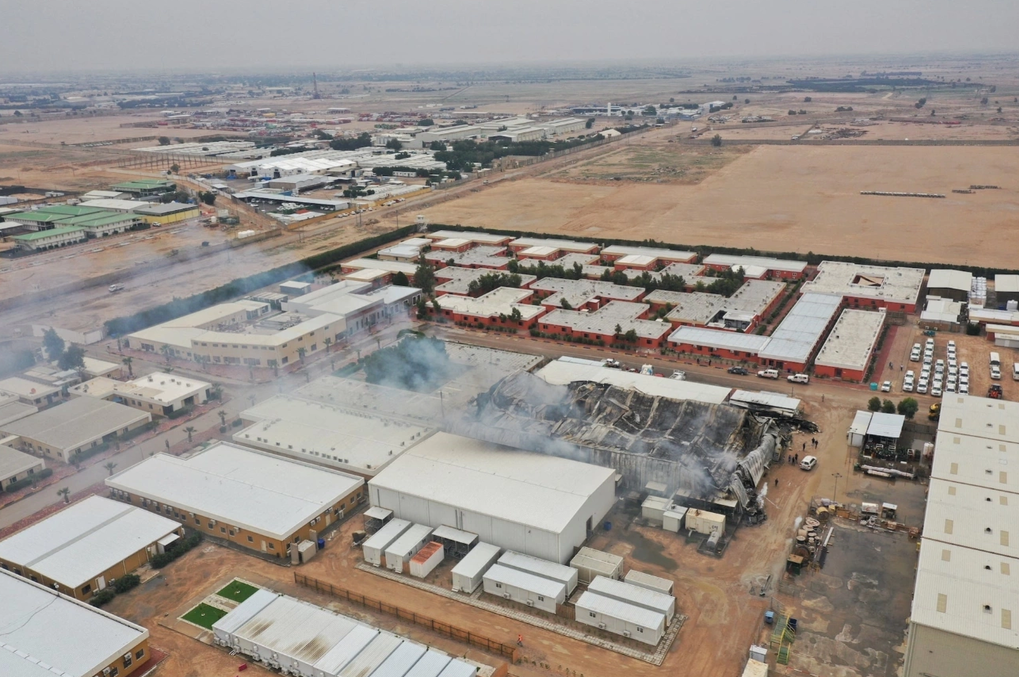
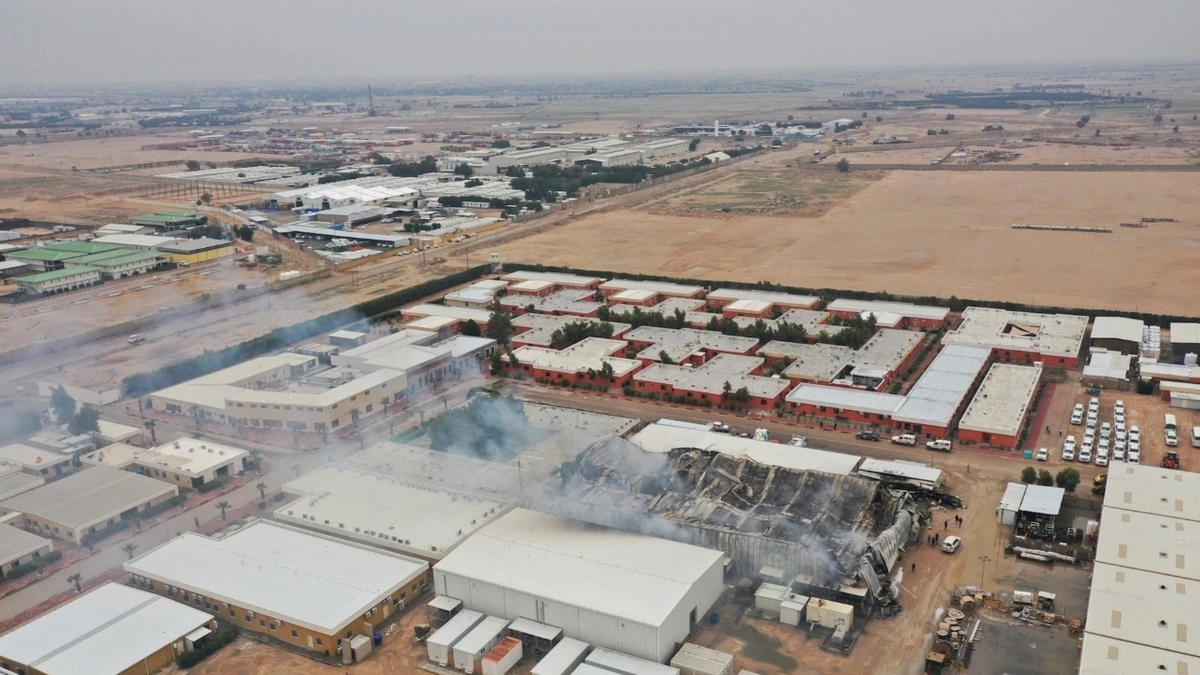
Oil production facility in Basra (Iraq) attacked April 4, 2026. Photo: Reuters
Iraq is second-largest OPEC oil producer. Leaving would deal new blow to group, after UAE withdrew last month. Iraq also one of five OPEC founding members in 1960.
Iraq government spokesman Haider al Aboudi said country works to fully restore oil export capacity, but declined further comment on OPEC quotas or leaving. "Iraq works to restore full oil export capacity, aiming to raise output to 7 million barrels daily in coming years," he said.
Global crude prices extended losses after Reuters report. Brent oil fell nearly 2% to 72.3 USD barrel. US WTI crude fell to 69 USD.
In latest meeting June 7, key members of Organization of Petroleum Exporting Countries and allies (OPEC+) agreed to increase output in July by 188,000 barrels daily. Increase matches June level.
This is fourth consecutive output hike by group, despite Middle East war limiting production for many members. In total from April to June, OPEC+ raised output by nearly 600,000 barrels daily.
OPEC+ has 21 members. However, past few years, only key countries Saudi Arabia, Iraq, Kuwait, Algeria, Kazakhstan, Russia, Oman, UAE decided output policy.