On 17 June, the President of the United States and Iran signed an agreement to end the war that lasted for nearly four months. The terms including Iran reopened the Hormuz and the United States Straits with this water port. This could put an end to the biggest oil supply in history. In the June market report, IEA estimates the war caused the Middle East oil production to cost more than 14 million barrels of oil per day.
However, next year, the market can be significantly excess. The supply is expected to add 8 million barrels a day, while the demand only increases 2 million barrels. IEA claimed that the major supply status of 2027 could be "an opportunity for the countries to supplement the reserves to run out or build more new strategic reserves, in the context of many countries that are reviewing the strategy and energy policies after the crisis".
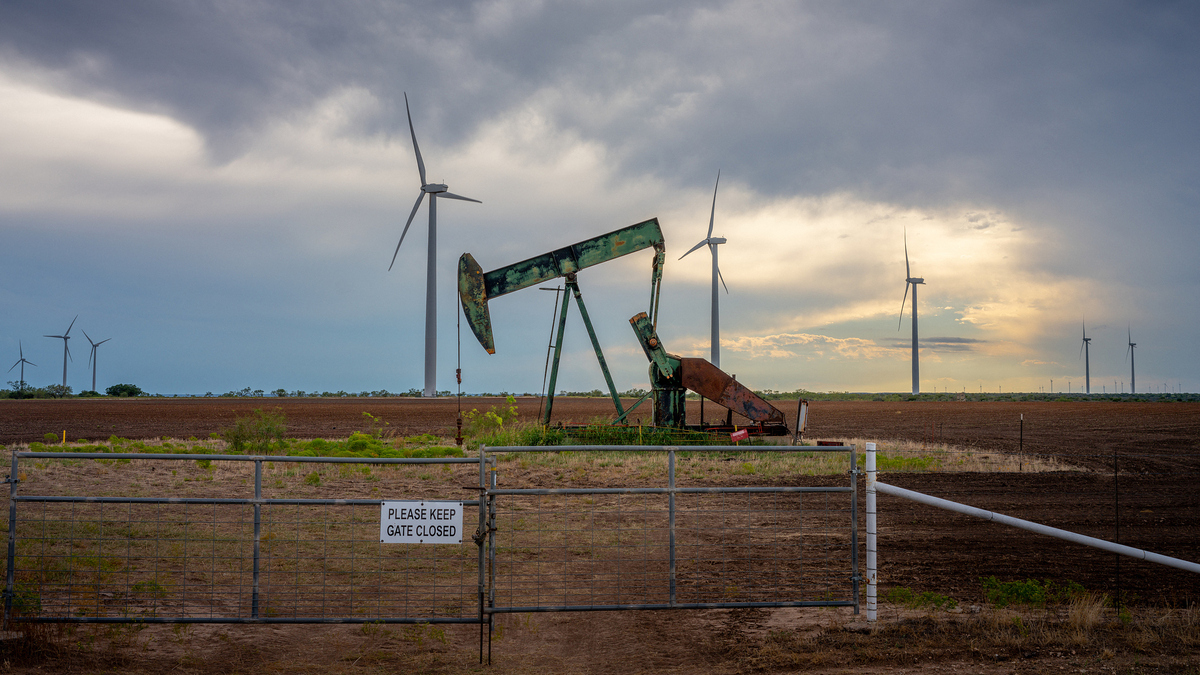
- An oil pump at Nolan (Texas, USA) in January 1223. Image:Reuters*
Stay
Playback speed
1x NormalQuity
AutoBack322p240p14144pAuto Back 740x0.5x1x Normal1.5x2x2x
IEA stated that the amount of oil passing through the Hormuz Channel has increased since early June, thanks to the oil movement between ships at Oman Bay. The total amount of oil transported from the Middle East reached about 12 million barrels a day, rising from the bottom of 9.6 million barrels recorded in May.
"If the agreement is maintained, the production and export of the Gulf region will gradually recover. In particular, Iran's oil exports can be fully restored after the U.S.'s lockdown", IEA remarked.
However, the organization also warns that the Middle East's prospects for recovery are still faced with many political and operating barriers, such as the long-term pull-out process.
This year, IEA still forecasts the oil supply to drop 3.9 million barrels a day, when the production in the Middle East is greater than the rise from the US. However, these attacks forced Moskva to prefer fuel supply to the domestic market and promote raw oil exports.
The price of crude oil goes down over the last few days, due to the development from the Middle East. Shows every barrel of Brent dropping 2% to 77,9 - lowest since the date of two-thirds. The WTI oil had a similar drop, about $75 - at least 3 months. This price is near the level before the war.